
Best Hyderabad Digital Marketing Company Rankings
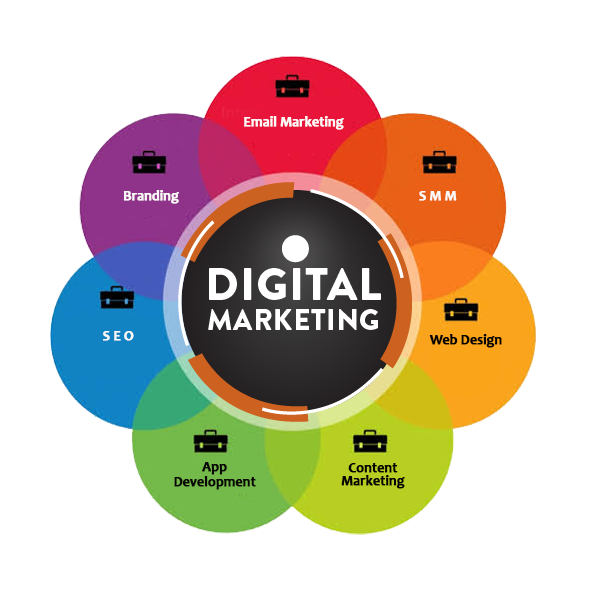
Digital marketing involves using online platforms and digital tools to promote businesses, products, or services. It encompasses various strategies aimed at reaching potential customers through digital channels like search engines, social media, email, websites, and mobile apps. Key components of digital marketing include: A digital marketing strategy is a plan that outlines how a business will achieve its marketing goals using digital platforms and tools. It involves identifying target audiences, setting goals, and implementing tactics to engage, convert, and retain customers. Here’s a step-by-step approach to developing a successful digital marketing strategy: 1. Define Clear Goals Start by outlining the business objectives you want to achieve through digital marketing. These could include: Your goals should follow the SMART framework: Specific, Measurable, Achievable, Relevant, and Time-bound. 2. Identify Your Target Audience Understand who your ideal customers are by analyzing demographic data (age, gender, location, income), psychographic data (interests, lifestyle, values), and behavioral data (purchase habits, online activities). Tailor your messaging to resonate with this audience. 3. Conduct Competitor Analysis Study your competitors’ digital marketing tactics, identify what works well for them, and find areas where you can differentiate your brand. This can include SEO strategies, content creation, social media presence, and paid advertising. 4. Choose the Right Digital Channels Select the platforms that align with your audience’s behavior and your business goals. These could include: 5. Create Engaging Content Develop a content plan that focuses on providing value to your audience. Content types may include blog posts, videos, infographics, e-books, webinars, and podcasts. The content should be optimized for SEO to increase its visibility in search engines. 6. Implement Marketing Automation Use tools like HubSpot, Mailchimp, or Marketo to automate marketing tasks like email campaigns, lead generation, and social media posting. Automation helps improve efficiency and ensures timely communication with your audience. 7. Monitor and Optimize Continuously track the performance of your digital marketing efforts using analytics tools like Google Analytics, social media insights, and conversion tracking. Analyze key performance indicators (KPIs) such as website traffic, lead conversion rates, and return on investment (ROI). Use this data to adjust your strategy as needed. 8. Experiment and Innovate Always be open to experimenting with new tactics, such as A/B testing for ads, exploring new platforms, or introducing new content formats like live videos or interactive quizzes.
Best Hyderabad Digital Marketing Company Rankings Read More »